

















Rescue Arcade Game Tips and Strategy Guide
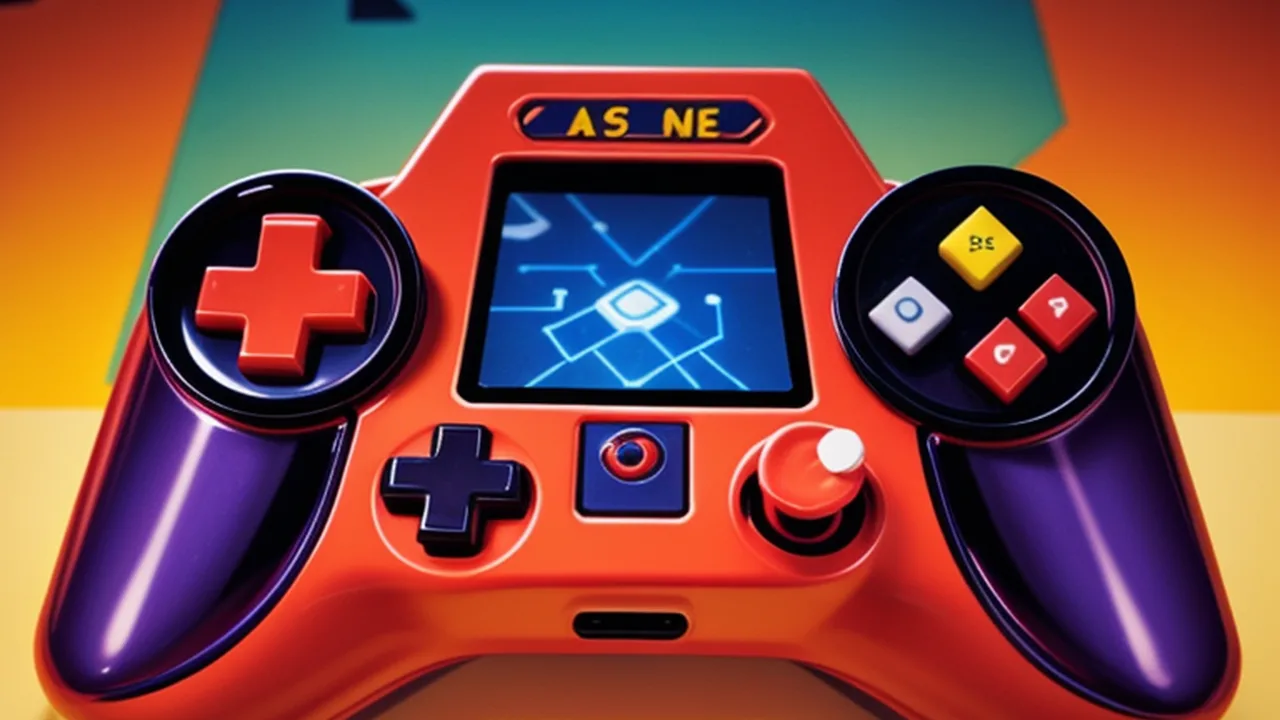
Rescue games bring a clear sense of purpose to arcade play, asking players to reach a target and bring a character or object out of danger. The collection gathers titles built around navigation, obstacle avoidance, and quick decision-making, with many of them placing a time limit on the action to keep the pressure high.
Browsing this game collection is straightforward once you know what each title asks of you. Some titles may lean on tight movement and fast reactions, while others reward careful planning and a more measured approach. Checking the individual instructions before starting helps you understand the mechanics you will actually be working with.
Browse the Rescue Collection
What the Collection Focuses On
Every game in this collection shares one goal: reach the target character or object and complete the rescue. The environments players move through can be two-dimensional or three-dimensional, and the obstacles blocking the path vary from title to title. Depending on the selected game, the challenge may come from timing, spatial awareness, or the need to make a quick call under pressure.
Because specific mechanics vary by title, the best way to compare options is to look at how each game frames its central task. Some titles may emphasize speed, while others may ask for more deliberate movement. Both approaches can be demanding, just in different ways.
How Difficulty and Pace Differ
Rescue games often include a time limit, which turns every second into a decision. Players may encounter situations where rushing leads to a mistake, and where slowing down costs valuable time. Finding the balance between the two is a common part of the experience.
Shorter sessions can suit players who want a quick test of reflexes, while more involved titles may require several attempts to learn the layout of an environment. Neither style is better; it depends on what kind of challenge you are in the mood for when you start.
Choosing a Game to Start With
A useful first step is to read the game's own instructions. Controls typically include movement, jump, and interact commands, but the exact setup can differ between titles. Knowing what you are working with before you begin prevents avoidable mistakes in the opening moments.
Consider how much time you want to spend learning a new set of mechanics. Some titles may be quick to pick up, while others reward players who take a few runs to understand how the environment behaves. Neither approach requires prior experience with the genre.
Common Sources of Challenge
Obstacle avoidance sits at the heart of most rescue scenarios. Players need to read the space ahead, judge distances, and commit to a route. The game engine's physics and collision detection shape how those interactions feel, so small adjustments in positioning can matter a great deal.
Decision-making under a time limit adds another layer. Players may need to choose between a safer, longer path and a shorter route that carries more risk. That tension is a defining part of the genre and one reason these games stay engaging across repeated attempts.
- Read the game instructions before your first attempt to understand the mechanics in play.
- Maintain a steady pace rather than rushing through unfamiliar environments.
- Watch how obstacles behave before committing to a route through them.
- Use the game's own mechanics to your advantage instead of forcing a single strategy.
- Expect some unpredictability and adjust your approach between attempts.
Questions Players Commonly Ask
What is the main objective of rescue games?
The main objective is to rescue the target character or object by navigating through the environment and overcoming the obstacles in the way.
What controls are used in these games?
Controls typically include movement, jump, and interact commands. The specific setup can vary by title, so checking the individual game instructions is a good idea before playing.
Are rescue games available on mobile and tablet devices?
Many rescue games are designed with mobile and tablet play in mind, though compatibility can depend on the individual title. The supplied collection information notes that rescue games are often designed to be played on mobile and tablet devices.
What makes these games challenging?
The combination of obstacle navigation, time pressure, and quick decision-making creates a demanding experience. Specific mechanics vary by title, so the exact nature of the challenge depends on the game you select.