

















Mastering the Arcade: Essential Tips for Strategy Success
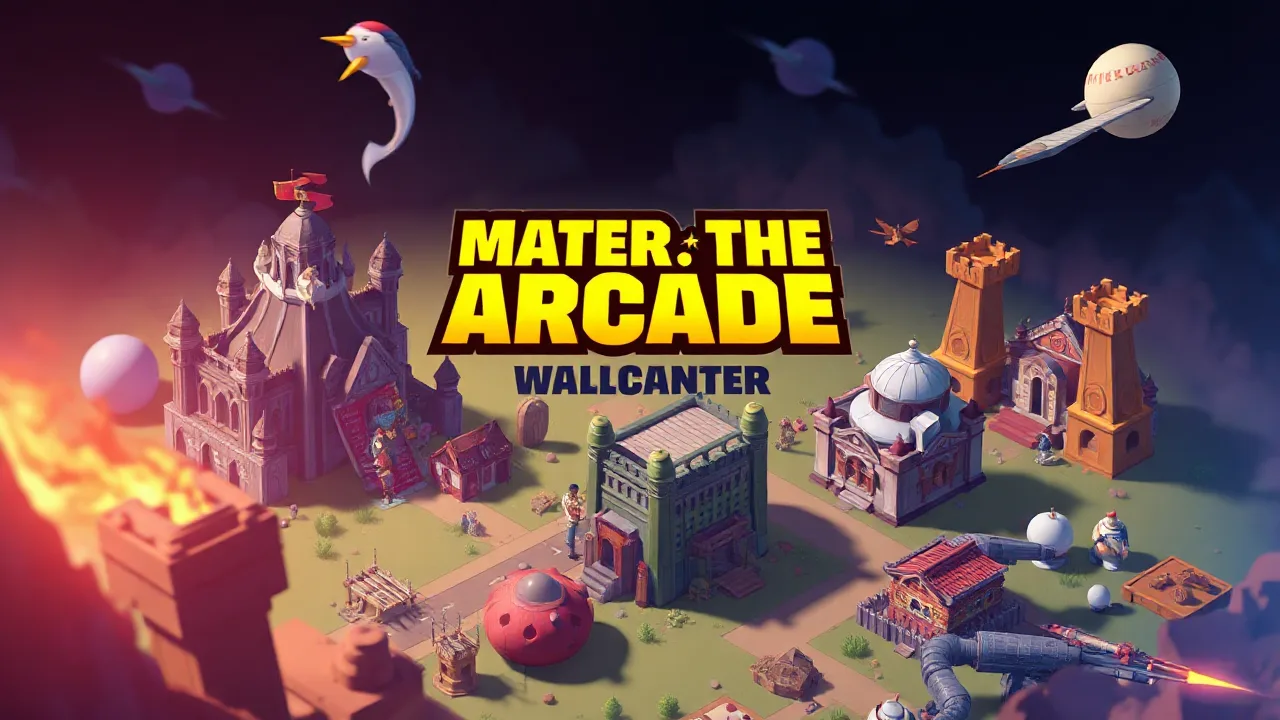
Success in the browser-based strategy genre is rarely about quick reflexes. Instead, these titles reward patience, foresight, and the ability to adapt to a shifting landscape. Whether managing a bustling economy or commanding a battalion, the core challenge lies in outthinking the opposition rather than simply overpowering it. For players looking to test their tactical acumen, the available selection offers a diverse range of scenarios where every decision carries weight.
The collection encompasses various approaches to tactical thinking, from constructing defensive strongholds to launching aggressive territorial expansions. Players interested in the Strategy genre will find that these online games prioritize critical thinking and resource allocation over arcade-style speed. The goal is often to secure a dominant position through careful planning and execution.
Explore Strategy Gameplay
At their core, these titles often revolve around the management of limited assets. Success is frequently tied to how well a player balances immediate needs with long-term goals. This might involve gathering essential materials, constructing necessary facilities, or deploying units to secure key locations. The interplay between economy and military might is a defining characteristic of many titles in this category.
Depending on the specific game, the map layout plays a crucial role in decision-making. Some titles feature grid-based environments where positioning is paramount. Players may start with a modest foothold and must expand outward, claiming territory and denying resources to rivals. Understanding the spatial relationship between your base and the surrounding environment is often the first step toward victory.
Resource Management Fundamentals
A primary mechanic in many of these browser games involves the careful stewardship of resources. Players typically need to monitor their reserves and ensure a steady influx of materials to sustain their operations. Neglecting this aspect can lead to a stalled economy, leaving you vulnerable to opponents who have optimized their production chains. Balancing resource intake with expenditure is a constant juggling act.
Tactical Unit Deployment
Once an economy is established, the focus often shifts to the allocation of troops or units. Specific mechanics vary by title, but the general principle involves placing units in advantageous positions. Some games may require you to issue commands via keyboard or mouse, directing forces to attack, defend, or patrol. The effective use of your available forces can turn the tide of a conflict.
Territory and Expansion
Expanding your influence across the map is a common objective. This process usually involves moving beyond your starting location to capture new ground. Building structures in these newly acquired areas can solidify your control and provide additional benefits. However, expansion must be calculated; overextending your forces can leave critical areas undefended.
Adapting to Changing Circumstances
Rigidity is often a recipe for defeat in the strategy genre. The battlefield is dynamic, and opponents may react in unexpected ways. Successful players learn to adapt their plans based on new information. Whether responding to a surprise attack or seizing an unexpected opportunity, flexibility is a key trait. Maintaining a balanced approach allows for quicker pivots when the situation demands it.
Selecting Your Next Challenge
Browsing the collection allows players to find titles that match their preferred style of play. Some may prefer slow-paced empire building, while others might look for faster, more tactical skirmishes. Reading the description of each game before playing is advisable to understand the specific objectives and mechanics involved. This ensures that the chosen game aligns with your expectations for a session.
The following points highlight key aspects to consider when choosing a game from the library:
- Consider whether you prefer managing a large economy or controlling a small squad of units.
- Look for titles that offer the specific type of challenge you enjoy, whether it is defense or offense.
- Check if the game involves a grid-based map, as this significantly impacts movement and positioning.
- Decide if you want a quick session or a more involved, long-term strategic commitment.
Common Questions
What is the main objective in these games?
While specific goals vary, the central mechanic often revolves around resource management and territory expansion. The ultimate aim is typically to conquer and hold ground against opposition.
How do I interact with the game world?
Controls are generally handled through standard input methods. Players usually use the keyboard or mouse to issue commands to their units and structures.
Can I play these on different devices?
Many of the available titles are designed to be accessible. Depending on the specific game, you may find options to play on various platforms, including mobile and tablet devices.
Are there different types of strategy games?
The collection can include a variety of sub-genres. Some titles focus heavily on base building, while others prioritize tactical combat or resource optimization. Exploring the catalog will reveal the different styles available.