

















Enemy arcade game tips to help you survive longer
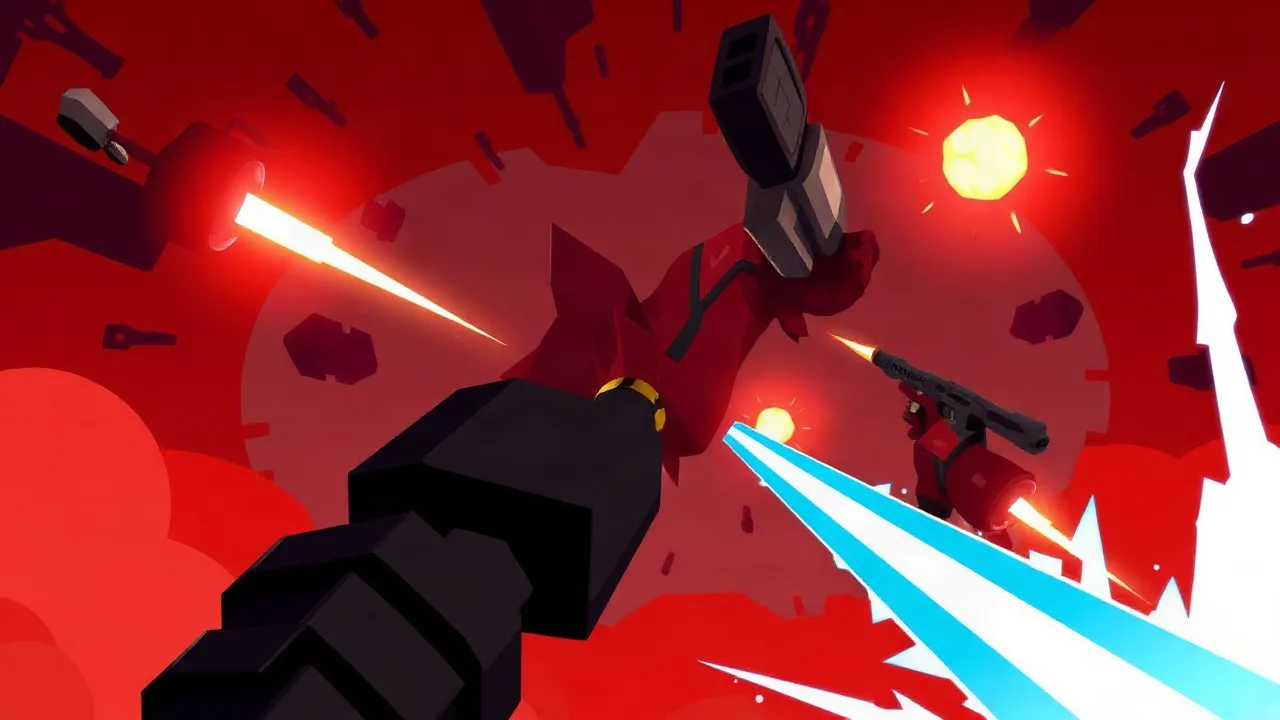
Survival in Enemy games is rarely about raw speed. It is about reading the space around you, deciding when to move, and understanding how hostile forces respond to your choices. Because these titles are grouped under arcade games, sessions can be quick to start yet demanding to master, with each round presenting a fresh set of obstacles and threats.
The Enemy collection gathers browser-based games built around a simple but compelling loop: navigate environments, manage risk, and stay alive against opposition that adapts to what you do. Whether you have five minutes or an afternoon, the collection offers a range of challenges to explore.
Discovering the Enemy Collection
What Defines an Enemy Game
At its core, an Enemy game places you in a procedurally generated environment where hostile forces must be evaded or eliminated. Resource management and careful risk assessment are not optional extras; they are central to lasting more than a few moments. The environments themselves shift between runs, which means memorizing a single layout rarely pays off. Instead, players learn transferable skills: how to read terrain, how to identify cover, and how to judge whether an engagement is worth the cost.
How Emergent Behavior Shapes Each Run
Enemy games often produce emergent complexity. Your actions influence the environment, and the environment in turn influences how enemies behave. A loud engagement might draw attention you did not plan for. A quiet approach might open a route that was previously too risky. This feedback loop means no two sessions feel identical, even within the same title. Players who experiment with different approaches tend to discover possibilities that a purely cautious or purely aggressive style would miss.
Selecting a Suitable Starting Point
Browsing the collection, you may notice variation in pacing and pressure. Some titles may emphasize evasion and stealth, rewarding patience and careful movement. Others may lean toward direct confrontation, where quick decisions and efficient use of available resources matter more. There is no single correct way to choose. Consider what kind of challenge feels engaging right now. If you prefer methodical play, look for games that emphasize positioning and cover. If you want something faster, titles with more immediate threats may suit you better.
- Check the individual game instructions before starting, since specific mechanics vary by title.
- Consider how much time you have; some sessions reward quick thinking, others reward extended caution.
- Notice whether a game seems evasion-focused or confrontation-focused, and pick accordingly.
- Be willing to try a second or third title if the first does not match your preferred pace.
- Remember that procedural generation means restarting is part of the experience, not a failure.
Positioning and Terrain Awareness
One of the most reliable skills across Enemy titles is positioning. Learning to place yourself relative to a foe, using terrain and available cover, provides a consistent strategic edge. This does not require memorizing maps. Instead, it involves a habit of scanning your surroundings before committing to a move. Where is the nearest cover? What sightlines are open? Is there a route that keeps you obscured while still making progress? These questions, asked quickly and repeatedly, form the backbone of longer survival.
Balancing Stealth Against Direct Action
Practical play advice for this collection often points in two directions at once. Maintaining a low profile and using stealth to evade detection helps you conserve resources and avoid unnecessary risk. At the same time, you must stay ready to respond quickly when something unexpected appears. The tension between these two instincts is where much of the gameplay lives. Some Enemy titles may punish hesitation; others may punish recklessness. Reading the situation and adjusting is the skill that separates short runs from memorable ones.
Common Mistakes and How to Avoid Them
New players sometimes commit too early, moving into open space before understanding what waits there. Others spend so long avoiding contact that they fail to make progress when an opportunity appears. Both errors come from the same root: not enough information gathered before acting. A brief pause to observe enemy patterns, even for a few seconds, usually pays for itself. Similarly, when an opening does appear, taking it decisively is often safer than waiting for a perfect moment that may never arrive.
Questions Players Commonly Ask
What is the main goal across Enemy games? The primary objective is to survive and eliminate enemy forces while navigating procedurally generated environments.
Do I need prior experience with arcade games to play? The collection can include titles with varying levels of difficulty. Checking individual game instructions helps you understand what to expect before committing to a run.
Why do runs feel different even in the same game? Procedural generation and emergent enemy behavior mean that each session presents a new configuration of challenges, keeping the experience dynamic.
Should I focus on evasion or confrontation? Both approaches appear across the collection. Some titles may reward stealth and patience, while others lean toward direct engagement. Trying both styles is a reasonable way to find what suits you.
Exploring more games within the Enemy catalog is a good way to sharpen these skills. Each title offers a slightly different take on the same fundamental challenge, and the habits you build in one often transfer directly to the next. Start with whatever catches your attention, learn its rhythms, and let each run teach you something for the one that follows.