


Cozy Summer Puzzle Game Review and Tips
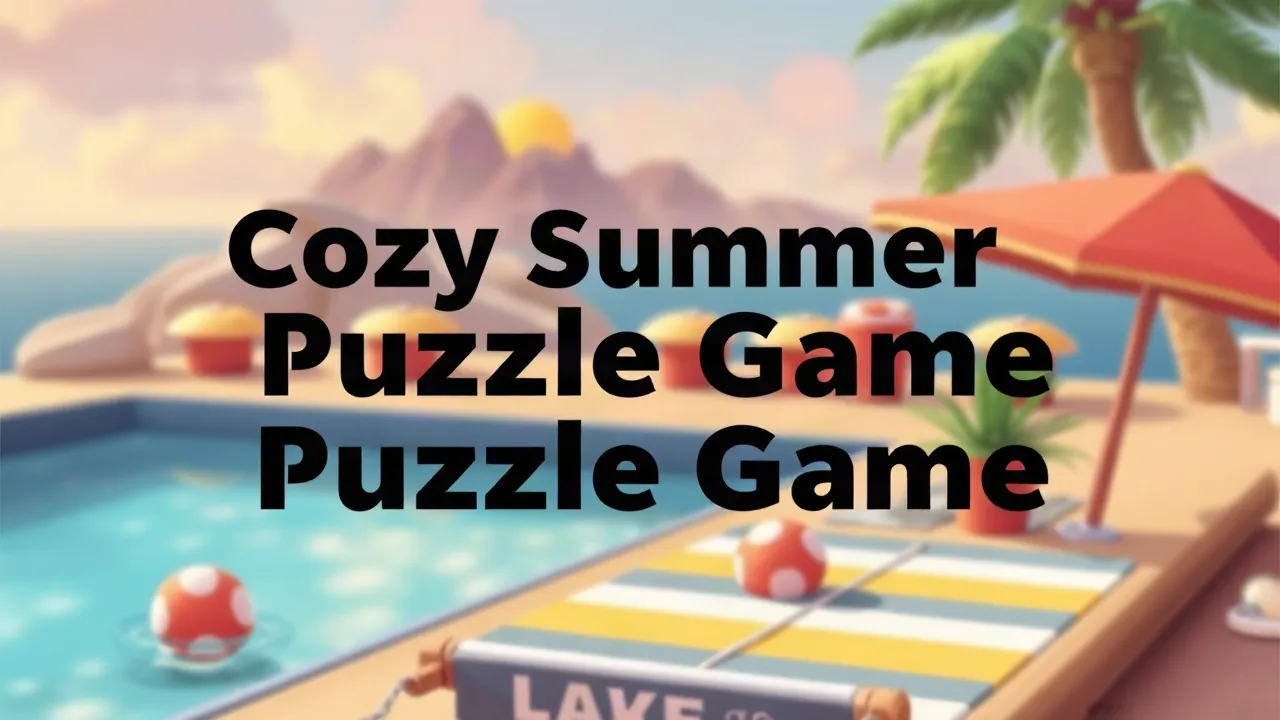
The Summer tag brings together browser games built around short, high-scoring matches and quick bursts of competitive play. Titles in this group tend to reward sharp reflexes and decisive choices, and they are easy to pick up whether you are playing alone or with friends and family. Because sessions are brief, the collection works well for casual play, local tournaments, or quick online matches where the goal is simply to beat a personal best or challenge someone nearby.
Alongside the competitive side, some entries lean toward puzzle-focused challenges that test pattern recognition and timing under pressure. If you enjoy puzzle games, you will find plenty of overlap here, since many summer titles ask you to read a situation quickly and act before the clock runs out. Browsing the full browser games library lets you compare pace, difficulty, and scoring style before committing to a session.
Browse the Summer Game Collection
What the Collection Focuses On
Summer games typically feature fast-paced, action-oriented gameplay, with players competing in timed matches that require rapid movement and precise control. The central mechanic in many of these titles involves executing precise jumps and landings to gain an edge over opponents. Efficient use of in-game abilities matters, since quick reflexes and strategic decision-making are key to success when rounds are short and the scoring window is tight.
The primary goal across the collection is to accumulate points by completing challenges and achieving specific goals. Because matches are designed to be quick, players can try multiple titles in one sitting and compare how each one scores performance. Some titles may emphasize raw speed, while others reward careful positioning or consistent execution over several rounds.
Pacing and Match Structure
Most entries are built for short, timed rounds rather than long campaigns. This structure suits players who want a quick competitive hit without a large time commitment. Depending on the selected game, a single match may last only a few minutes, making it easy to fit a round into a break or to run a mini tournament with family and friends.
Because scoring is the main objective, replay value comes from chasing higher totals and refining technique. Players who enjoy improving a personal record will find plenty of motivation here, since even small improvements in timing or movement can translate into noticeably better results.
Choosing a Game That Fits Your Style
When selecting from the collection, consider how much pressure you want from the clock. Some summer titles lean heavily on speed, demanding rapid input and quick recovery from mistakes. Others allow a slightly more measured approach, where careful positioning and planning matter as much as raw reaction time. Puzzle-oriented players may prefer entries where reading the situation correctly is the main challenge, rather than pure reflex speed.
It also helps to think about session length. If you want a single quick round, pick a title with short timed matches. If you plan to play with others, consider running several rounds back to back so everyone gets a chance to improve. Since specific mechanics vary by title, checking the in-game instructions before starting is always worthwhile.
Practical Play Advice
Focus on maintaining a consistent pace and adapting to changing circumstances, such as shifting weather conditions and terrain obstacles. Staying ahead in a match often comes down to reading what is happening on screen and adjusting rather than committing to a rigid plan. Quick reflexes help, but so does knowing when to hold back and wait for a better opportunity.
Beginners may find it useful to play a few rounds without worrying about the score, simply to learn how each game handles movement and timing. Once the basic rhythm feels comfortable, shifting focus to scoring becomes much easier. Players may encounter different obstacle patterns or scoring rules from one title to the next, so treating each game on its own terms is the best approach.
Common Selection Mistakes
A common mistake is picking a title purely on theme without checking how it actually plays. Since the collection spans both action-focused and puzzle-leaning styles, taking a moment to read the description or watch a round in progress can save time. Another pitfall is assuming every game handles the same way; because specific mechanics vary by title, skills that transfer well in one game may not carry over directly to another.
Players should also avoid judging a game after a single poor round. Short matches mean variance is high, and a few attempts are usually needed to understand the scoring system and find a comfortable rhythm. Giving a title a fair chance before moving on leads to better overall satisfaction with the collection.
Summer Games FAQ
What is the main objective of summer games?
The primary goal is to accumulate points by completing challenges and achieving specific goals within timed matches.
How long does a typical match last?
Matches are generally short and fast-paced, though exact round length depends on the selected game in the collection.
Are these games suitable for playing with others?
Many titles are designed for short, high-scoring sessions that work well with friends and family, including casual local competitions. The specific format varies by title, so checking individual game details is recommended.
Do I need prior experience to start?
p>Most summer games are easy to pick up, though each title has its own mechanics. Taking a few rounds to learn the basics before focusing on score is a practical approach for new players.