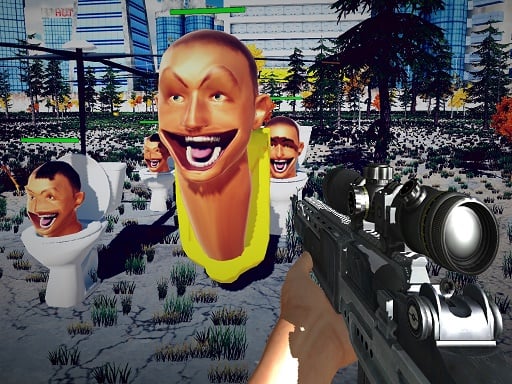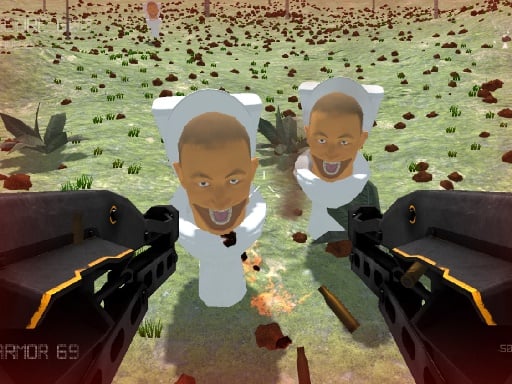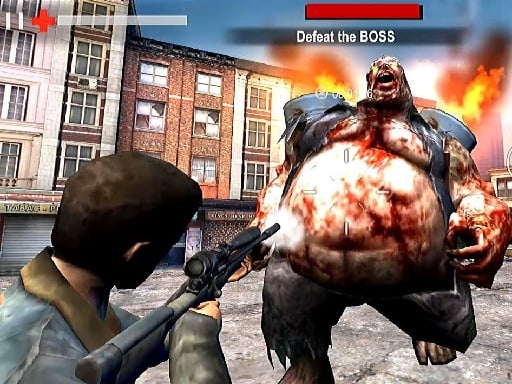










Room games often involve the strategic use of game elements to navigate and solve puzzles within a confined environment, requiring efficient game planning and execution to succeed.
Last Updated:
Core Structure of Room games
The game's core mechanics and progression are built around a series of increasingly complex puzzles to be solved by the player, who must navigate through different room layouts and obstacles to progress.
System Behavior
Room games typically involve the use of spatial reasoning and problem-solving skills, as players must use game elements such as doors, locks, and hidden passages to progress through the game.
Practical Play Advice
Players must maintain a clear understanding of the game's mechanics and level layout to efficiently navigate obstacles and solve puzzles, ultimately leading to successful game completion.
Room Games FAQ
Q: What are the typical controls for playing a room game?
A: The controls typically involve movement and interaction with game elements using a combination of taps, swipes, or button presses.
Q: What is the main objective of a room game?
A: The objective is to solve puzzles and progress through the game by navigating through different room layouts and overcoming obstacles.
Q: Is room games compatible with mobile devices and tablets?
A: Yes, most room games are designed to be played on a variety of devices, including mobile and tablet platforms.
Q: What is the central mechanic of room games?
A: The central mechanic involves using spatial reasoning and problem-solving skills to progress through the game by interacting with game elements.