Defense games form a distinct category built around protecting a fixed position or structure from waves of advancing threats. Players must allocate limited resources strategically to construct and maintain defensive barriers that stop incoming obstacles before they breach the perimeter. The core loop of a defense game centers on placement decisions and timing as pressure escalates with each successive wave.
Last Updated:
Core Structure of Defense games
To play this defense game Efficiently observe incoming obstacles then position your defensive units along the path and reinforce weak points before the next wave arrives.
System Behavior
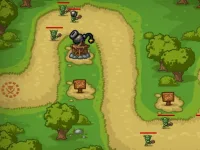
A tower defense game operates on a fixed map where obstacles travel along a predetermined route toward a protected endpoint. Players deploy units at strategic nodes to intercept these obstacles before they reach the base. Resource management dictates how many units can be active simultaneously during any given wave. The pacing typically increases over time requiring faster reactions and more precise placement decisions.
Practical Play Advice
Position your defensive units at chokepoints where obstacles cluster together to maximize coverage across multiple lanes. Spend your available resources early to establish a baseline defense then save reserves for emergency reinforcements during heavy waves. Monitor which areas remain vulnerable and adjust unit placement to cover gaps before obstacles slip through the perimeter.
Defense Games FAQ
Q: How do controls work in defense games? A: Players select units and place them on designated spots along the path. Q: What is the main objective? A: Prevent obstacles from reaching the protected base at the end of the route. Q: Are these games compatible with mobile and tablet devices? A: Yes most defense games run smoothly on mobile and tablet platforms. Q: What is the central mechanic? A: Strategic placement of defensive units to intercept incoming waves of obstacles.