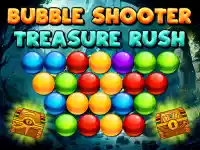
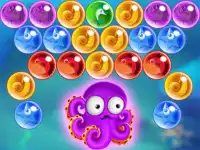
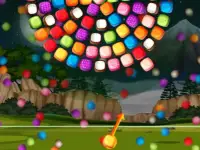
Bubble Shooter games operate on a defined grid structure where player input determines projectile trajectory and collision outcomes. The primary objective is systematic cluster elimination through color-matching mechanics within a progressively advancing field of static obstacles. This analysis examines the core systems of bubble shooter game design and player interaction loops for optimal strategic execution.
Last Updated:
Core Structure of Bubble Shooter games
Efficiently launch projectiles to match and eliminate adjacent color clusters; clear the entire field of bubbles before the system advances the grid downward.
System Behavior
Projectiles travel in a straight line until collision with an existing bubble or boundary obstacle triggers a match check. A cluster of three or more same-colored bubbles triggers an immediate removal event from the active grid. Disconnected bubble structures lose their support and fall as eliminated debris to clear space. The grid advances downward at fixed intervals if the player fails to reduce the cluster count sufficiently.
Practical Play Advice
Focus on creating vertical alignments to trigger larger chain reactions and reduce the total number of active bubbles faster. Maintain a consistent firing rhythm to prevent the grid from advancing too quickly and restricting available aiming space. Strategic targeting of anchor points can collapse entire sections of the grid through gravity-based detachment mechanics.
Bubble Shooter Games FAQ
Q: How are projectiles aimed and fired? A: Players align the trajectory and release to launch a bubble toward the grid. Q: What is the primary goal of the session? A: Clear all active bubbles from the grid before the obstacles reach the bottom boundary. Q: Is this game compatible with mobile devices? A: Yes, the system supports touch-based input on both mobile phones and tablets. Q: What happens when a match is made? A: The matched cluster is removed and any unsupported bubbles above it fall and are cleared.