

















The Ultimate Guide to Mastering the Crash Sports Game
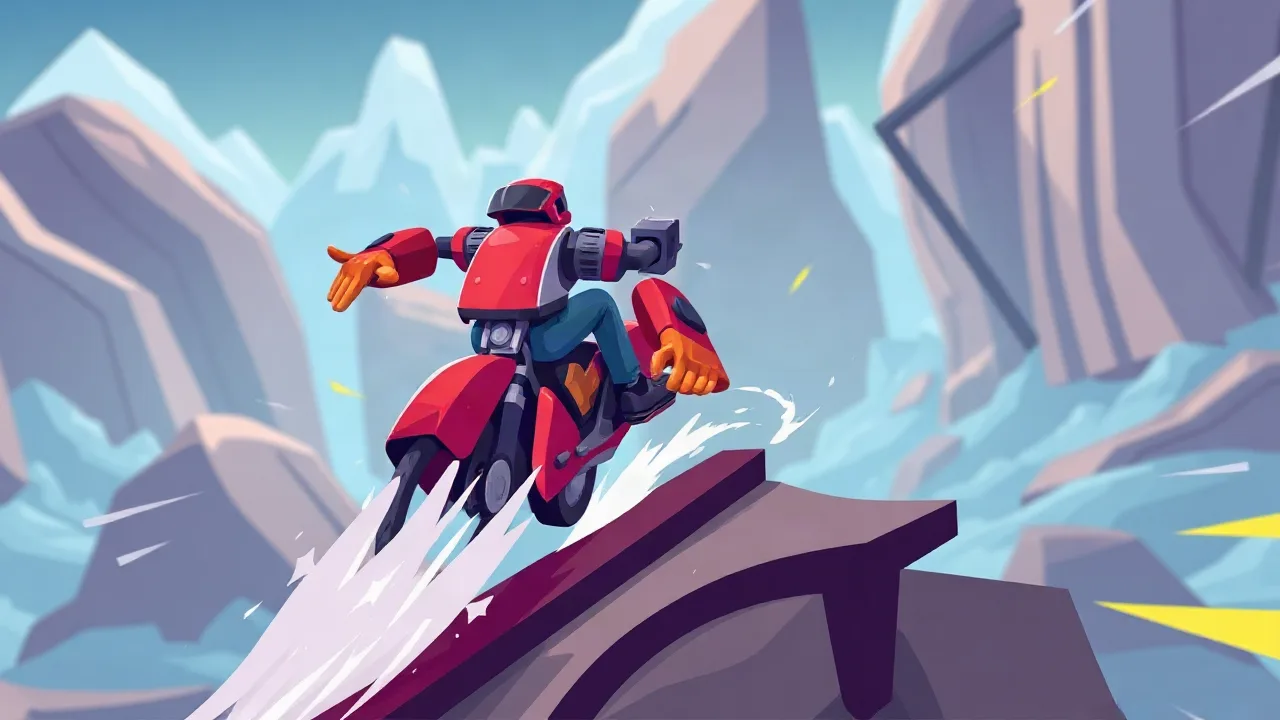
High-velocity action defines the crash category, where split-second decisions determine survival. Players navigate treacherous terrain, demanding precise timing to avoid obstacles while maintaining crucial momentum. These browser-based games often blend platforming challenges with physics-based movement, creating a dynamic experience where speed is both an asset and a liability. Success hinges on mastering the controls to execute jumps and turns efficiently, allowing progression through increasingly difficult environments. The core loop involves navigating hazards, collecting power-ups, and pushing forward against the clock or competition.
Within the broader Sports Games category, these titles emphasize agility and reflexes over traditional athletic rules. The collection can include various interpretations of high-speed traversal, where the primary goal is often overcoming environmental challenges rather than scoring points in a conventional sense. When exploring this game catalog, players should look for titles that match their preference for either short, intense bursts of gameplay or longer sessions requiring sustained concentration. The fundamental appeal lies in the direct control over velocity and the satisfaction of clearing a difficult section through skill alone.
Discover Crash Game Mechanics
Core Structure of Crash Games
Efficient play requires mastering the relationship between speed and control. Players must time their jumps and turns to avoid obstacles while maintaining momentum and speed, a crucial aspect of crash games. The terrain often features gaps, barriers, and uneven surfaces that demand immediate reactions. Losing momentum can be as detrimental as colliding with an object, as recovery may be difficult or impossible in certain situations. This balance between aggressive forward movement and careful navigation forms the foundation of the gameplay experience.
System Behavior and Physics
These titles typically involve a combination of platforming and physics-based gameplay, where players control a character that can jump, dash, and rotate to navigate through levels, a key element of crash games. The physics engine often influences how momentum is conserved or lost during interactions with the environment. Some titles may feature momentum-based mechanics where speed affects jump distance or the ability to clear gaps. Understanding these underlying systems helps players predict how their character will react in different scenarios, allowing for more precise control during high-speed sections.
Practical Play Advice
Players must maintain their speed and momentum while avoiding obstacles and collecting power-ups to stay ahead of the competition, which is essential in crash games. A common mistake is becoming too cautious, which can result in losing the velocity needed to clear upcoming obstacles. Conversely, rushing without observation often leads to unnecessary collisions. The optimal approach involves scanning the immediate path while maintaining sufficient speed to react to new challenges as they appear. Power-ups may offer temporary advantages, but relying on them entirely can lead to difficulties when they are unavailable.
Navigating the Collection
When browsing this game library, consider what type of challenge appeals most. Some titles may focus on pure speed, requiring players to make instantaneous decisions with little time for planning. Others might incorporate more deliberate platforming sections where timing is more important than raw velocity. The collection can include variations that emphasize different aspects of the crash concept, from obstacle avoidance to environmental navigation. Checking individual game instructions before playing can provide clarity on specific mechanics and objectives, as details vary by title.
Selection and Browsing Tips
Choosing a suitable game from the crash collection involves assessing your preference for pace and challenge level. If you enjoy rapid, reflex-based gameplay, look for titles that emphasize speed and quick reactions. For those who prefer more strategic movement, some games may offer a slightly slower pace with more complex obstacle patterns. The related tag for collecting can help identify titles where gathering items is a significant part of the experience. Remember that specific mechanics vary by title, so experimenting with a few different games can help identify the style that best suits your preferences.
Common Questions About Crash Games
What is the main objective in most crash games?
The primary goal typically involves progressing through challenging environments while avoiding obstacles. Some titles may emphasize reaching a specific endpoint, while others focus on surviving as long as possible or achieving a high score through efficient navigation and power-up collection.
How do these games differ from other browser games?
Crash games distinguish themselves through their emphasis on speed, momentum, and precise timing. Unlike puzzle or strategy titles, these browser games require immediate reactions and continuous movement. The physics-based elements often create a unique feel where character control and environmental interaction are tightly connected.
What should new players focus on when starting?
Beginners should prioritize understanding the basic controls and how momentum affects movement. Starting with less challenging sections allows players to develop timing and obstacle recognition skills. Observing patterns in obstacle placement can help anticipate challenges, though specific mechanics vary by title and some situations may require improvisation rather than pattern recognition.