

















The Fastest Battleship Race Strategies You Need to Know
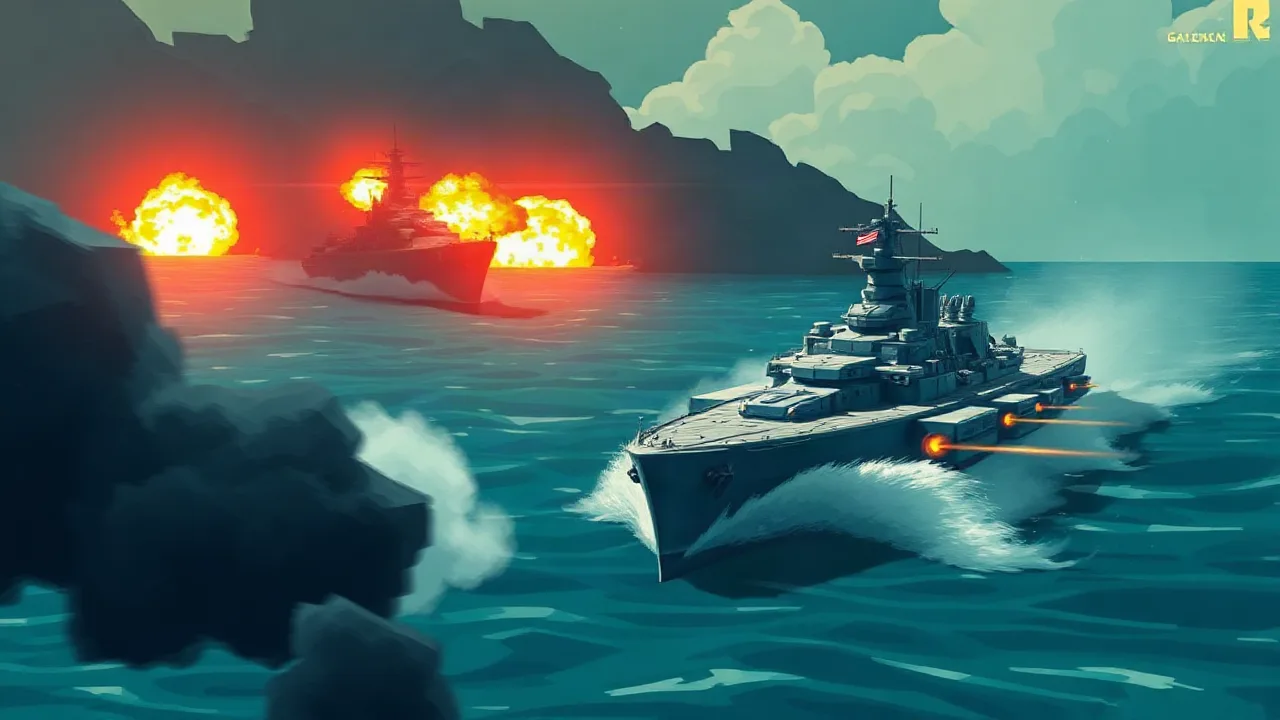
Naval strategy has a long history in gaming, and battleship remains one of the most recognizable formats in that tradition. The classic setup asks players to hide a fleet on a grid, then fire coordinates at an opponent's board in the hope of finding and sinking every ship. Victory comes from a mix of careful placement, disciplined guessing, and the ability to read patterns as the game unfolds.
Each battleship title in this collection presents its own take on that core formula. Some may emphasize quick rounds and simple decisions, while others could ask for deeper planning before the first shot is fired. Because specific mechanics can vary from one game to another, the best approach is to read each title's instructions carefully, then decide which style of naval conflict suits the moment.
Browse battleship Games in This Collection
What the Core Structure Looks Like
Most battleship games follow a familiar pattern: a grid-based board, a set of ships with different sizes, and a turn-based guessing phase. Players place their vessels first, then alternate firing at coordinate points on the opponent's grid. Hits are marked, misses are recorded, and the round continues until one side has lost its entire fleet. The ship size restrictions matter here. Larger vessels occupy more squares, which makes them harder to hide but also more damaging when found.
To play efficiently, players must weigh where to place ships against how they plan to guess. A crowded corner can be easy to defend, but it also narrows your options later. Spreading ships across the board creates more uncertainty for the opponent, though it may leave you vulnerable if the enemy's guesses land in high-probability zones. These trade-offs are central to every battleship match.
System Behavior and Guessing Strategy
The underlying system usually involves a 2D grid where each turn produces a single coordinate guess. That guess resolves as a hit or a miss, and the information gained shapes the next decision. Some players favor a systematic sweep across the board, covering every coordinate before narrowing in on clusters. Others adopt a checkerboard pattern to reduce wasted shots. Both approaches rely on probability in different ways.
Depending on the selected game, the board size, ship count, and firing rules may differ. One title might allow diagonal guesses, while another could restrict play to straight lines. Some versions may offer hints or reveal partial information after certain conditions are met. Since these details change from game to game, reading the rules before committing to a strategy is worthwhile.
The collection can include experiences that feel casual and fast-paced alongside titles that reward patient, methodical play. A player looking for a quick session might prefer a smaller grid with fewer ships. Someone who enjoys planning may gravitate toward larger boards where placement decisions carry more weight. Browsing the available options with that distinction in mind helps narrow the field.
Practical Play Advice for New Players
Balance is the recurring theme in battleship strategy. Ship placement and guessing are two halves of the same problem, and neglecting either one can cost the match. A common beginner mistake is placing all ships along the edges or clustering them in a single quadrant. Both habits make the fleet easier to locate once the opponent begins landing hits. Varying the orientation and position of vessels forces the enemy to cover more ground.
On the guessing side, resist the urge to fire at random coordinates after a hit. Once a ship is located, adjacent squares become high-value targets. Working outward from a confirmed hit, in a logical sequence, tends to produce results faster than scattered guesses. The same principle applies when a miss reveals a safe zone. Eliminating empty areas is just as useful as finding ships.
Players may also encounter titles where the guessing phase is compressed or accelerated. In those cases, instinct and pattern recognition matter more than slow calculation. Others might reward careful note-taking across turns. There is no single correct approach, because the mechanics vary by title. Trying a few different styles is the most reliable way to find what clicks.
Browsing and Comparing Available Titles
This game catalog brings together battleship experiences that share the naval warfare theme but differ in execution. Some entries may present a minimalist interface focused purely on grid play, while others could layer additional strategic considerations on top of the standard format. The collection can include games suited to short breaks as well as those designed for longer sessions.
When comparing options, consider the pace you want. Fast rounds with small grids suit players who prefer quick decisions and immediate feedback. Larger boards with more ships tend to demand patience and a longer attention span. Neither style is objectively better; the right choice depends on the session you have in mind.
Category context can also help. Battleship games sit alongside related strategy titles that share turn-based thinking and resource management. Exploring neighboring categories may surface games that feel familiar even when the naval theme is absent. The related games section offers a natural starting point for that kind of browsing.
Common Questions About Battleship Games
What is the main objective in a battleship game?
The goal is to sink all enemy ships. Players alternate guessing coordinates on the opponent's grid until one side has lost its entire fleet.
How should ship placements be approached?
Use the grid-based layout to spread ships across different areas of the board. Varying orientation and avoiding obvious clusters makes the fleet harder to locate.
Do the rules stay the same across the collection?
The central mechanic of guessing and placing ships on a grid is consistent, but specific details such as board size, ship count, and firing rules can vary by title. Checking each game's instructions before playing is recommended.