

















Punch Action Game: Master the Art of the Perfect Strike
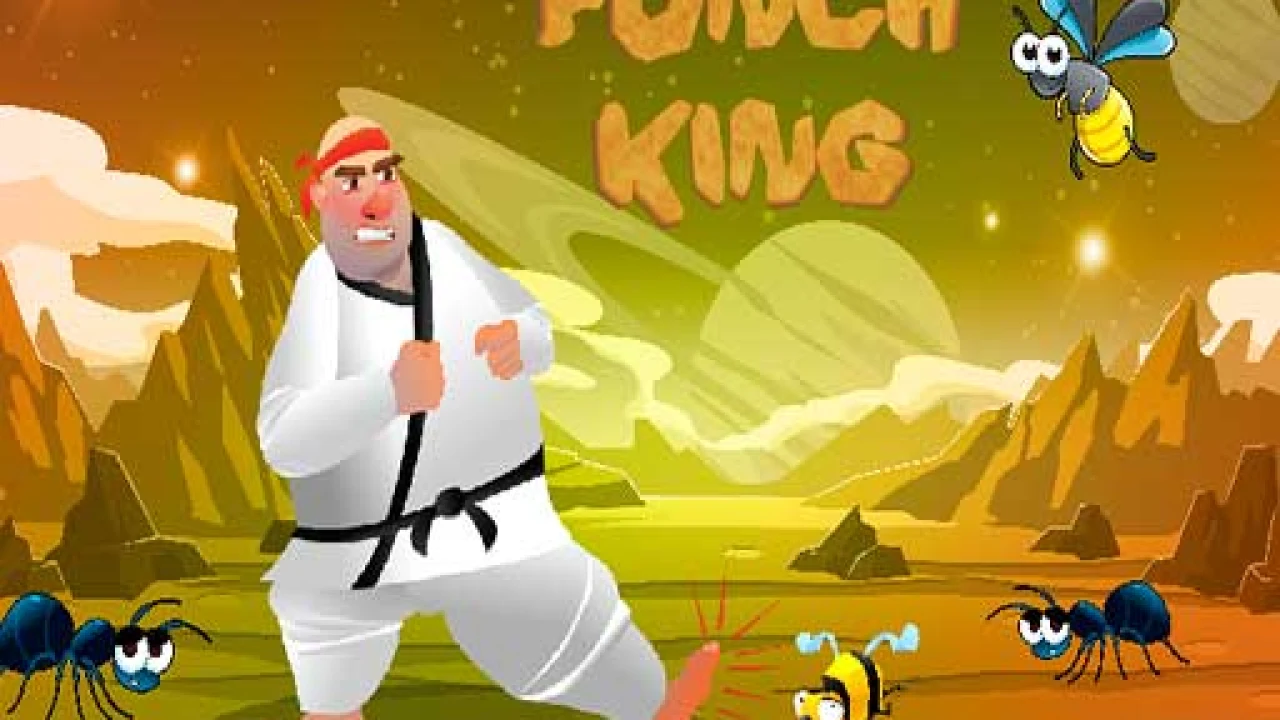
Finding the right challenge in the world of browser-based action games often comes down to timing and precision. For players seeking a direct test of reflexes, the Punch collection offers a focused selection of titles centered on hand-to-hand combat. These browser games strip away complex narratives to concentrate on the core mechanics of competitive fighting, providing immediate access to one-on-one duels where every second counts. The appeal lies in the simplicity of the objective: outmaneuver an opponent through a series of calculated strikes.
Whether you are looking for a quick session or a deeper dive into fighting mechanics, this game library is curated to highlight the impact of a well-timed strike. The Punch tag gathers experiences where the primary interaction involves close-quarters combat, often requiring players to anticipate enemy moves while looking for an opening to land a decisive blow. It is a straightforward genre that rewards practice and observation over long-term progression systems.
Exploring the Punch Collection
The titles within this specific category generally focus on the fundamentals of combat. Unlike adventure games that might prioritize exploration, these browser-based games are designed for immediate engagement. The central theme revolves around the physical confrontation between two entities, where the player must control a fighter to overcome a computer-controlled opponent or another human player.
Most entries in this game catalog share a common goal: reducing the opponent's health to zero or knocking them out of the arena. Depending on the selected game, the perspective may vary, offering side-scrolling views or top-down angles, but the reliance on quick inputs remains a constant factor. Players should expect to encounter a variety of fighting styles, ranging from slow, heavy hits to rapid, weaker combinations.
Core Mechanics and System Behavior
The fundamental behavior of these games relies on a balance between offense and defense. Players typically control a fighter using a set of inputs designed to execute punches and kicks. The system behavior usually dictates that successful strikes reduce the opponent's stamina or health bar, while missed attacks may leave the player vulnerable to a counter-strike.
Strategic planning is often required alongside quick reflexes. Some titles may feature a "stamina" mechanic, preventing players from button-mashing without consequence. In other instances, the physics of the game might play a larger role, requiring players to navigate obstacles in the arena while trying to land a hit. Understanding the specific hitboxes and recovery times of your character is often key to mastering the system behavior of a particular title.
Strategic Approaches to Combat
Success in this collection is rarely achieved through aggression alone. A common mistake for new players is neglecting defense. Maintaining a defensive stance or blocking at the correct moment is often just as important as launching an attack. By observing the opponent's patterns, players can identify openings in their defense and punish them effectively.
Patience is a valuable tool. Rushing in without a plan often leads to taking unnecessary damage. Instead, consider controlling the distance between your fighter and the opponent. Some games may reward zoning tactics, keeping the enemy at bay with long-range strikes, while others might favor getting close for grappling or rapid combos. Adjusting your strategy based on the specific rules of the game you are playing will yield better results than a one-size-fits-all approach.
Controls and Interface
While specific control schemes vary by title, the interface generally aims to provide clear feedback on the state of the fight. Health bars, timers, and round counters are standard visual elements that help players track their progress. The inputs are usually mapped to a keyboard or mouse, though the exact layout depends on the game's design.
It is advisable to check the control instructions provided at the start of each game. Some titles may use directional keys for movement, while others might rely on mouse gestures. Familiarizing yourself with the specific input method before the match begins can prevent confusion during the heat of battle.
Choosing the Right Title
With various options available, selecting the right game depends on your personal preference for pace and style. Some players may prefer fast-paced, arcade-style brawls that emphasize speed and reaction time. Others might look for slower, more tactical simulations that require careful planning and resource management.
Consider what aspect of the fight appeals to you most. If you enjoy precise timing, look for games that emphasize parrying and counter-attacks. If you prefer overwhelming force, seek out titles that allow for heavy, damaging combos. Browsing the game collection allows you to sample different approaches and find the specific type of combat challenge you enjoy.
Common Questions
What is the main objective of these games?
The primary goal is typically to defeat an opponent in a one-on-one contest. This is usually achieved by depleting the opponent's health bar or knocking them out, depending on the specific rules of the selected title.
Do these games require a long time commitment?
Many of the browser games in this collection are designed for short, intense sessions. Matches can often be completed in a few minutes, making them suitable for quick breaks, though some titles may offer longer tournament modes.
Are there different difficulty levels?
Difficulty settings vary by game. Some titles may offer adjustable difficulty for the computer opponent, while others rely on a fixed challenge level. Players may need to adapt their strategies as they progress through different opponents.