


Play the Fun chair Game for Girls Online
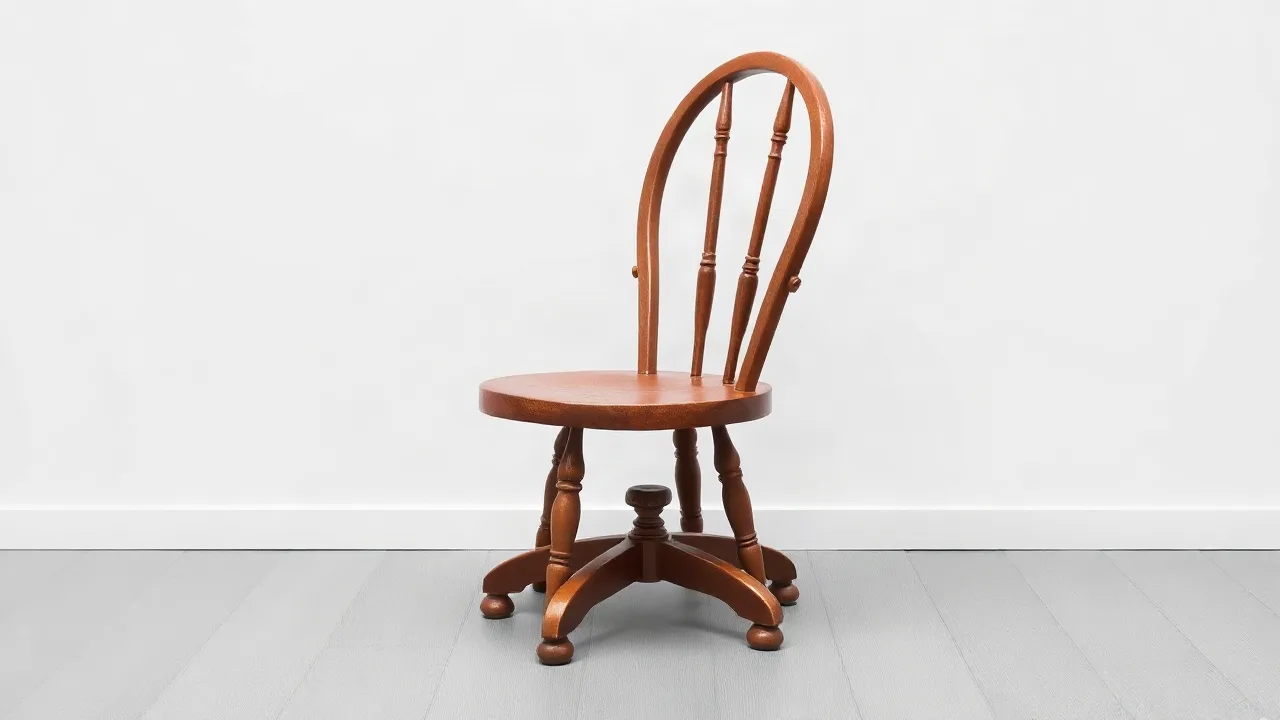
Chair games bring a surprisingly practical object to the center of digital play, turning ordinary seating into a tool for movement, timing, and careful planning. Within this collection, players work with chair movement and chair object interactions to navigate obstacles, manage momentum, and reach goals through a mix of physics-driven action and puzzle thinking. The tag sits within the Girls category, and the related chair tag helps visitors find titles that share this unusual focus.
Because specific mechanics vary by title, each game in the browser games catalog may present a slightly different take on the theme. Some titles may emphasize quick reactions, while others may reward patient route planning. Reading the individual instructions before starting is a practical habit that helps players understand how a given chair game expects them to move, interact, and solve problems.
How the chair Collection Is Organized
What Players Can Expect
The collection centers on strategic chair-based gameplay that combines logistic planning with physics engine manipulation. Players may encounter challenges where a chair must be moved along a careful path, pushed through tight spaces, or used to bridge a gap. Depending on the selected game, the goal might involve reaching a specific point, completing a sequence of interactions, or navigating around obstacles that block the way. The common thread is the chair itself: an object whose weight, momentum, and position matter to every decision.
Exploration also plays a role. Some titles may ask players to survey an area before committing to a route, while others may present a more immediate obstacle that demands a quick response. Either way, efficient navigation and thoughtful chair positioning tend to be the difference between progress and failure.
Core Mechanics and Challenge Sources
Chair movement and chair object interactions form the central mechanic across the collection. Players use these interactions to outmaneuver obstacles and reach the goal, often relying on the physics engine to create useful trajectories. Momentum matters: a chair that builds speed may clear a barrier, but the same speed can cause an overshoot if the player does not compensate.
Challenge can come from several directions. Obstacles may block a direct path, requiring detours. Physics may introduce unpredictable bounces or slides. Puzzle elements may demand that players arrange objects in a specific order before the chair can pass. In some titles, chair-based navigation and puzzle-solving work together, so players must both think ahead and execute the plan with precision.
| Aspect | What the Collection Confirms |
|---|---|
| Central mechanic | Chair movement and chair object interactions |
| Primary goal | Reach the goal by overcoming obstacles |
| Key systems | Physics engine manipulation and momentum use |
| Challenge types | Obstacles, navigation, and chair-based puzzles |
| Planning style | Logistic planning with strategic exploration |
Practical Approaches for New Players
Starting a chair game without a plan often leads to wasted attempts. A more effective approach begins with observation: study the layout, identify where the chair needs to go, and note any obstacles that could interfere with movement. Once the path is clear, plan the sequence of interactions and execute each step with control.
Balancing speed and caution is a recurring demand. Too much momentum can send the chair past a target, while too little may leave it stuck against an obstacle. Players who maintain a delicate balance between chair movement and object interactions generally find it easier to avoid setbacks and complete objectives. Careful planning before each maneuver, followed by measured execution, tends to produce better results than repeated trial and error.
Common mistakes include rushing into a challenge without reading the instructions, ignoring the physics engine's influence on chair trajectories, and attempting complex maneuvers before mastering basic movement. Taking a moment to understand how a particular title handles chair interactions can save significant time.
Browsing and Choosing Titles
Selecting a suitable game from this game collection depends on personal preference and available time. Some titles may suit short, casual sessions where a single obstacle course can be completed quickly. Others may involve more involved play, with longer routes and multiple puzzle steps that reward sustained attention. Players who enjoy planning may gravitate toward titles with heavier puzzle elements, while those who prefer action may look for games where momentum and timing dominate.
Because the collection can include a range of challenge styles, comparing a few options before committing is a sensible strategy. Checking the individual game instructions reveals how each title expects players to interact with the chair, what the goal looks like, and how much planning the challenge demands. The related chair tag and the broader Girls category can also help visitors branch out into similar titles once they have explored the current selection.
Common Questions About chair Games
What is the main objective in these games?
The main objective is to reach the goal by efficiently using the chair's momentum and physics engine manipulation to overcome obstacles. Specific goals may vary by title, so checking the individual instructions is recommended.
Do all titles in the collection play the same way?
No. Specific mechanics vary by title. Some titles may lean more toward puzzle-solving, while others may emphasize navigation and momentum control. The chair movement and object interaction foundation remains consistent, but the way challenges are presented can differ.
How should a new player approach the first attempt?
Begin by reading the game instructions, observing the environment, and planning a route before moving the chair. Careful planning and controlled execution tend to work better than rushing through obstacles on the first try.