


Play Robot Online Free
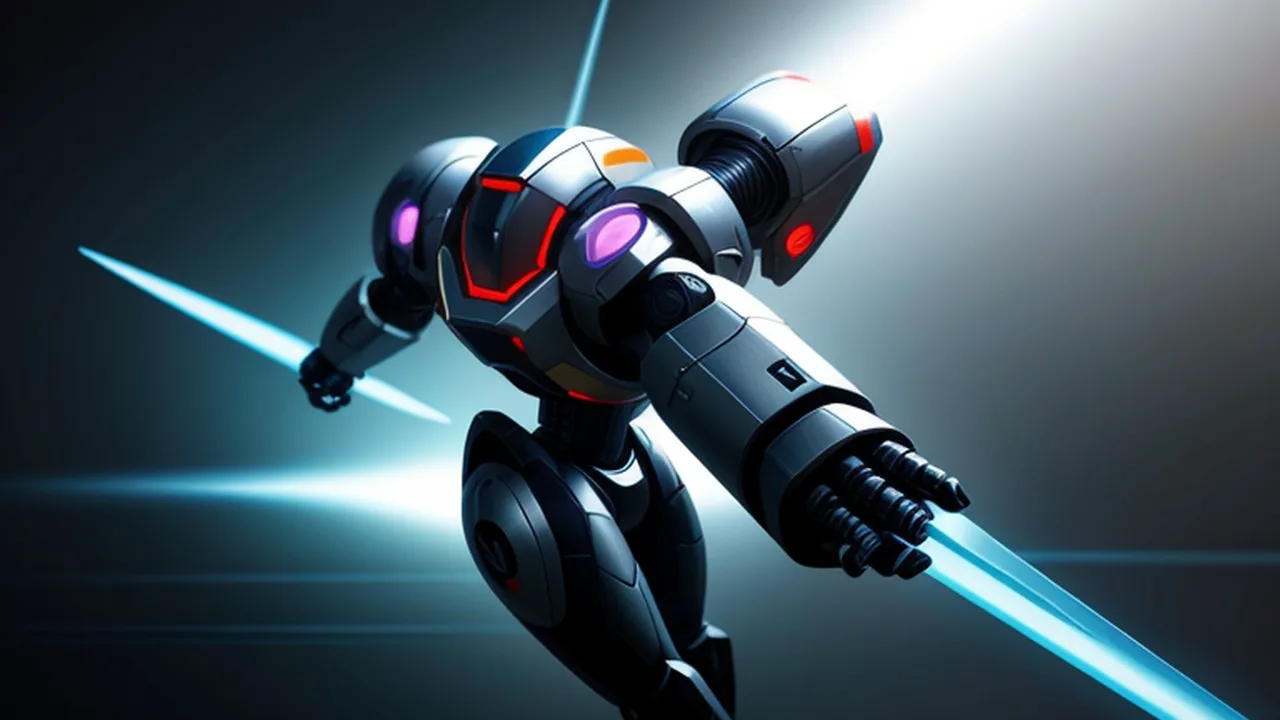
Robot games bring players into digital environments where mechanical entities are piloted, directed, or refined to reach clear objectives. The collection sits within arcade games, a category known for direct, session-friendly play that rewards quick thinking and steady input. Whether someone prefers a short round or a longer stretch of tactical decision-making, the range of robot-themed titles offers different ways to engage with strategy, action, and exploration.
Because each title in this browser games lineup handles its systems differently, the best approach is to read individual instructions before starting. What follows explains how the collection is organized, what kinds of gameplay tend to appear, and how to pick a game that matches a preferred pace.
Browse the Robot Game Collection
What the Collection Covers
At its core, this group of online games centers on controlling robotic units inside simulated settings. Some titles may lean toward tactical planning, while others emphasize faster action or exploratory movement. The shared thread is the act of managing a mechanical character to overcome obstacles and complete whatever goal the specific game presents. Since mechanics vary by title, players should expect variety rather than a single uniform experience across every entry.
Browsing the catalog with that variety in mind makes selection easier. A player looking for deliberate, thoughtful play can look for descriptions that mention strategy or resource management. Someone who prefers a quicker session may find titles framed around direct action or movement-based challenges more appealing.
Core Mechanics You May Encounter
Robot customization and control appear as central elements across many titles in this category. Depending on the selected game, players may adjust aspects of their mechanical unit before or during play, then apply those choices to execute maneuvers and pursue objectives. Efficient navigation tends to depend on understanding how the control scheme and customization options interact with the game's goals.
Some titles may also incorporate resource management, where players allocate limited inputs toward upgrades or other decisions. Others might focus more heavily on pure execution, asking for precise timing instead. Checking the instructions screen for a given game will clarify which of these elements are actually present before committing time to a run.
How System Behavior Shapes Play
Exploration, strategy, and action often appear together in robot-themed titles, though the balance shifts from game to game. Players may encounter obstacles that require careful planning, or situations where quick reactions matter more than long-term positioning. Resource optimization and robotic upgrading are mechanics that some games in the collection can include, giving players additional levers to pull when pursuing a goal.
The practical effect is that no two sessions need to feel the same. A title focused on upgrading encourages a different rhythm than one centered on navigating hazards in real time. Reading how a particular game frames its objectives helps set expectations before the first attempt.
| Aspect | What to Expect |
|---|---|
| Primary focus | Piloting or controlling robotic entities toward objectives |
| Gameplay blend | Exploration, strategy, and action in varying balance |
| Common decisions | Robot customization, resource allocation, tactical positioning |
| Session style | Short rounds or longer strategic play, depending on the title |
| Category context | Grouped under arcade games for direct, accessible play |
Choosing a Game That Fits Your Pace
Not every title suits every mood. A player with a few minutes to spare may prefer a game with quick objectives and immediate feedback, while someone settling in for a longer session might gravitate toward a title with deeper customization or layered decision-making. Neither approach is better; the right choice depends on how much time and attention is available.
Common mistakes when starting include skipping the instructions or picking a title without reading its description. Since specific mechanics vary by title, a quick read prevents surprises. Players should also avoid assuming that a feature mentioned in one game applies to the whole collection. Each entry stands on its own terms.
Practical Selection Advice
Keep a strategic mindset from the first moment of play. Focusing on resource allocation and robotic customization where those systems exist helps maximize effectiveness and reduces wasted attempts. When a game offers upgrade paths, consider how each choice supports the current objective rather than picking upgrades at random.
It also helps to revisit the collection periodically. Because the catalog can include different takes on robot control and tactical play, returning with fresh eyes may surface a title that was overlooked earlier. Related games in the same category often share a similar spirit, so exploring adjacent entries can be a productive way to find a better match.
Common Questions
What kinds of goals do robot games ask players to pursue?
Goals vary by title, but the general objective involves using robotic entities to overcome obstacles and complete tasks within the simulated environment. Some titles may frame those tasks around exploration, others around action or resource-driven decisions.
Do I need to understand customization before starting?
Not necessarily. Many games introduce their customization options gradually, and reading the in-game instructions for a specific title will clarify what is available. Starting without deep familiarity is fine; understanding develops through play.
How do I know which game suits my skill level?
Reading each game's description and instructions is the most reliable approach. Since mechanics differ across the collection, there is no single difficulty label that applies to every entry. Choosing based on the described pace and complexity tends to work well.