


Fast-Paced Racing Action in the Skateboard Game
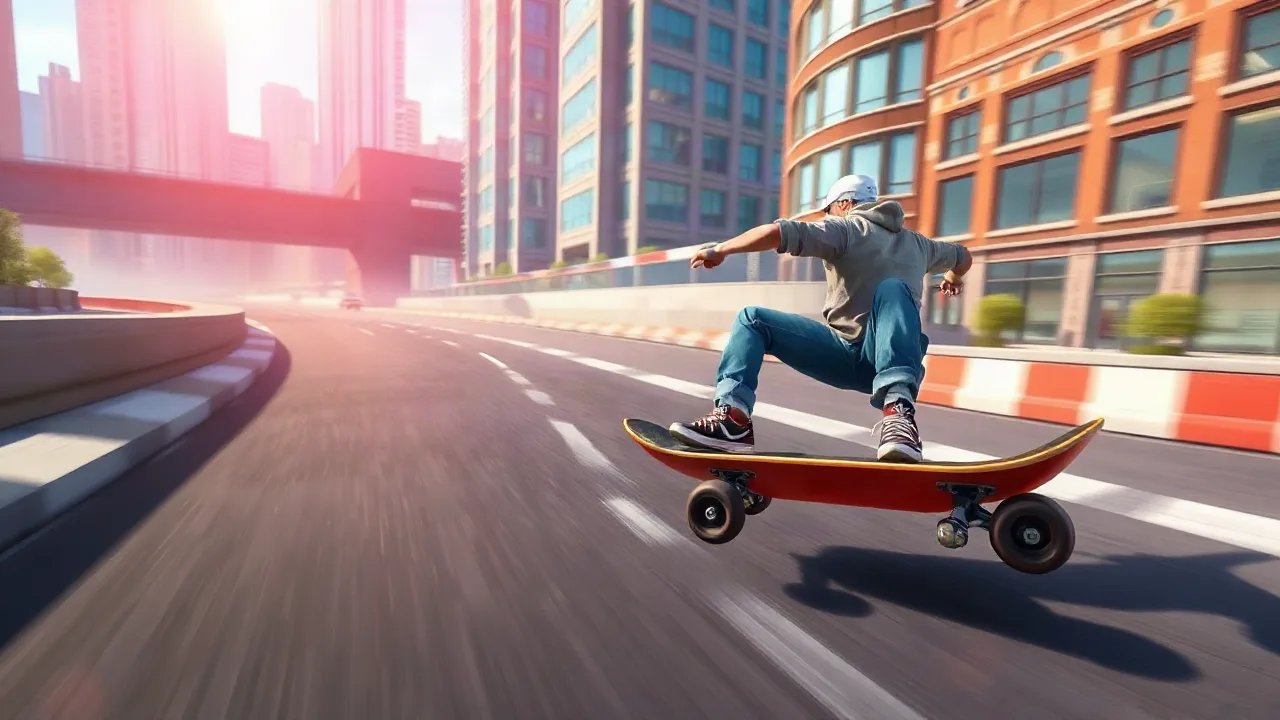
Skateboard games often involve precise control of a skateboard as players navigate through various skateparks and urban environments. Precision matters here. Players need to anticipate what lies ahead, time their inputs, and react quickly to obstacles that appear along the route. The goal in many of these titles centers on executing tricks cleanly and stringing them together to build a higher score, though specific scoring systems vary by title.
This collection gathers browser-based games built around the core loop of riding, balancing, and performing stunts. Some titles emphasize speed and momentum, while others lean more toward technical trick sequences. Because Skateboard appears across racing games as well as stunt-focused experiences, the range of play styles here can shift noticeably from one game to the next.
Browse the Skateboard Collection
What Shapes the Experience
The typical environment in these games includes skateparks and urban settings featuring ramps, ledges, and rails. These elements serve as the raw material for tricks and stunts. Players must navigate around obstacles while maintaining speed and momentum, which creates a constant tension between going fast and staying in control. Depending on the selected game, the balance between these two priorities can tilt in different directions.
Some titles may focus heavily on flowing through a park and linking tricks smoothly. Others might place more emphasis on clearing gaps or navigating tight spaces without losing speed. The collection can include experiences that reward patience as well as ones that push for aggressive, fast-paced runs.
How Speed and Control Interact
Momentum is central to most entries in this group. Gaining speed helps with clearing obstacles and reaching features that sit further along a route, but speed also reduces the margin for error. Players who rush through an area without reading the terrain ahead often find themselves crashing into barriers or missing a rail they meant to grind.
Learning to read the environment before committing to a line is one of the most useful habits to develop. A brief pause to scan what lies ahead can prevent wasted runs. This applies across the collection, even though the specific mechanics and input methods differ from title to title.
Choosing a Game That Fits Your Style
When browsing, consider what kind of challenge appeals to you most. If you enjoy quick sessions where the focus is on scoring tricks, a title with a dense park layout full of ramps and rails might suit you. If you prefer a sense of forward progression and speed, a game with longer routes and more open spaces may feel more engaging.
The collection can include options that lean casual as well as ones that demand sharper reflexes. Newer players may want to start with a title that offers forgiving obstacles and slower pacing, then work up to more demanding environments. Checking the description and instructions for each game before starting helps set expectations.
| Element | What to Expect |
|---|---|
| Environments | Skateparks and urban settings with ramps, ledges, and rails |
| Core activity | Performing tricks and stunts while navigating obstacles |
| Key challenge | Maintaining speed and momentum without losing control |
| Scoring | Executing tricks successfully, with systems varying by title |
| Play style range | From casual trick sessions to faster-paced runs |
Building Better Runs Over Time
Improvement in these games tends to come from repetition and observation. After a failed run, it helps to identify the specific moment where things went wrong. Was it a late jump? An early turn? A missed rail? Adjusting one small thing at a time produces faster progress than overhauling your whole approach at once.
Anticipation is the skill that separates comfortable players from struggling ones. Because obstacles and terrain features appear quickly at higher speeds, training yourself to look slightly ahead of your current position makes a noticeable difference. This applies whether a game emphasizes trick combos or straightforward racing through a park.
Common Mistakes New Players Make
One frequent error is treating every game in the group the same way. Since specific mechanics vary by title, assuming that what worked in one game will carry over directly can lead to frustration. Taking a moment to read each game's instructions before playing saves time in the long run.
Another common issue is focusing too heavily on speed at the expense of control, or the reverse. Finding the right balance depends on the individual title. Some players also try to perform complex tricks before they have a feel for basic movement, which usually results in short, unsuccessful runs. Building up gradually tends to work better.
Exploring more titles within the Skateboard tag is a good way to find the play style that clicks. Each game offers a slightly different take on the same foundational idea, and trying several is the fastest way to understand what the collection has to offer. Related games in the racing category may also appeal to players who enjoy the speed and momentum side of these experiences.